Flickering lights are easy to ignore at first. A quick dim. A small pulse. Then it keeps happening. You start to wonder if it’s normal or a sign of something worse.
In many homes, flickering lights point to a real electrical issue. Some are simple fixes. Others need fast attention. This guide breaks down the most common flickering lights in house causes so you know what’s going on and what to do next.
Start with the simplest cause.
A loose bulb often leads to flickering. If the bulb isn’t fully screwed in, it can lose contact with the socket. That breaks the flow of electricity. The light cuts in and out.
You can fix this in seconds:
If the flickering stops, you’re done.
But if it continues, the issue may be in the fixture itself. Worn sockets or loose wiring inside the fitting can cause the same problem. At that point, it’s safer to have an electrician check it.
Your home needs steady voltage to keep lights stable. When voltage changes, lights flicker.
You may notice this when:
A quick dip in brightness is normal during startup. But strong or constant flickering is not.
Signs of voltage problems:
This is one of the more serious flickering lights in house causes. It can damage appliances over time.
An electrician can test your system and confirm if voltage levels stay within a safe range.
Sometimes the problem sits right on your wall.
A worn or faulty switch can interrupt the current. That leads to flickering or delayed lighting when you flip the switch.
Common signs:
Switches wear out over time. Inside, small parts loosen or degrade.
Replacing a switch is usually simple, but it still involves wiring. If you’re unsure, it’s best to leave it to a professional.
This is where things get more serious.
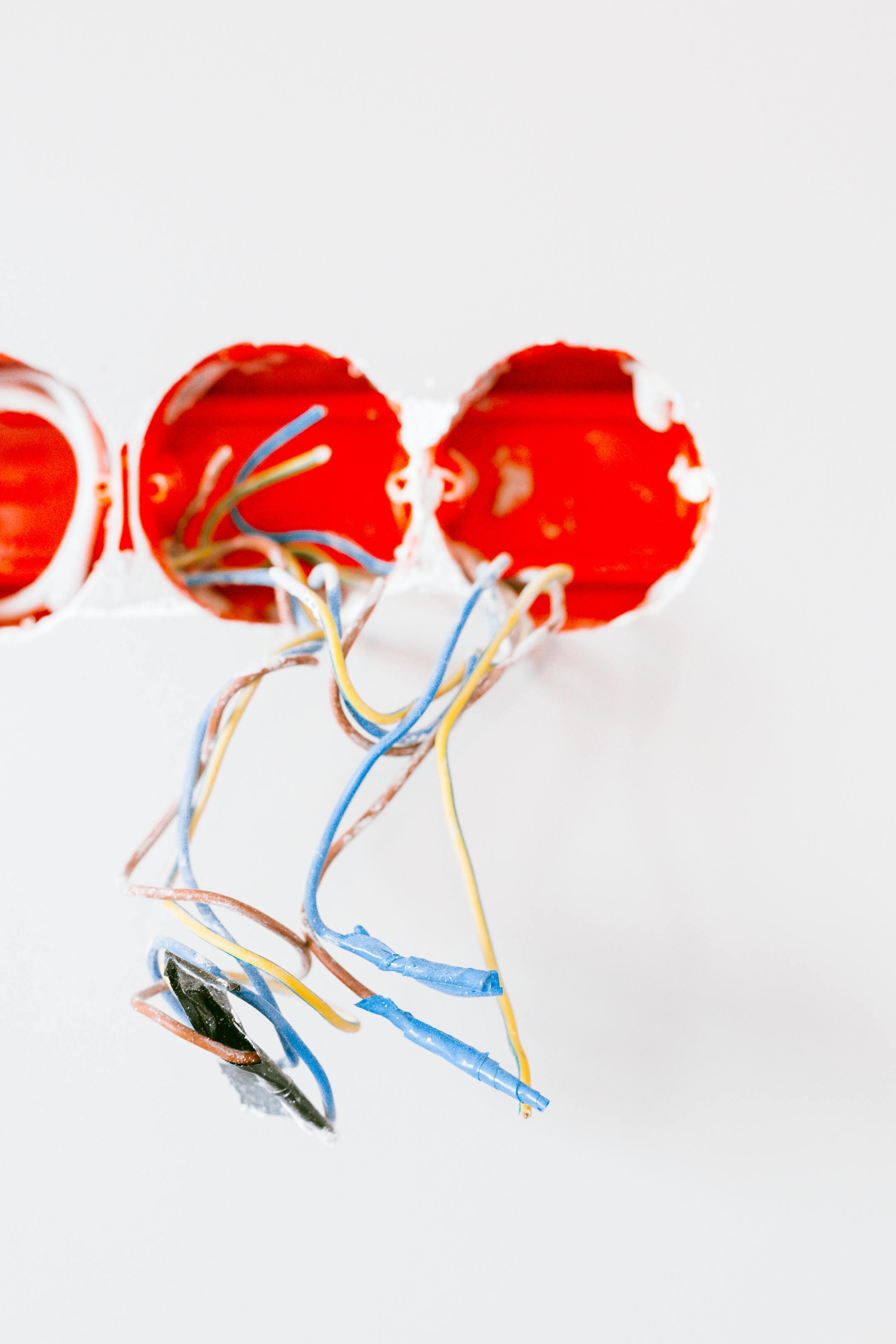
Loose wiring can interrupt the electrical flow. That leads to flickering lights. It also increases the risk of overheating and fire.
You might notice:
Older homes often have outdated wiring systems. These systems were not built for today’s power demand. When too many devices run at once, the wiring struggles to keep up.
This is one of the most critical flickering lights in house causes. It needs prompt attention.
Do not ignore these signs. Turn off affected areas and call an electrician.
Your electrical panel controls power across your home. If something goes wrong here, lights can flicker throughout the house.
Possible panel issues include:
If flickering happens in several areas at once, the panel is a likely cause.
You may also notice:
Electrical panels wear out over time. Older panels may not handle modern usage well.
This is not a DIY fix. Panel work involves high voltage and real risk. A licensed electrician should inspect and repair it.
Some flickering is minor. But certain signs mean you need help right away.
Watch for:
These are not small issues. They point to deeper electrical problems.
Ignoring them puts your home at risk.
You don’t need to guess. Start with a few quick checks:
This helps narrow down the cause.
But don’t go beyond basic checks if you’re unsure. Electrical systems are not forgiving.
Flickering lights are more than an annoyance. They are a warning sign.
Small issues can grow fast. Loose wiring becomes heat. Heat becomes damage. And damage can lead to fire.
Knowing the common flickering lights in house causes helps you act early. That keeps your home safe and your system working as it should.
If your lights keep flickering and you’re not sure why, it’s time to get a professional involved. A trained electrician can find the cause, fix it safely, and make sure your system is stable.
Visit Quality Electric Unlimited to learn more about your options or to schedule an inspection. Taking action now prevents bigger problems later.